 TEST-YO!· Friendship Style
Friendship Test: What Kind of Friend Are You, Actually?
This friendship style quiz explores how you describe loyalty, listening, encouragement, honesty, introductions and keeping in touch. It is for anyone curious about their role across friendships who wants conversation prompts, without ranking friends or deciding whether a bond lasts.
- 3 min
- 24 questions
- No signup
- Free
Full result at the end — no email needed
Possible results · which one are you?
- The Loyalist
- The Listener
- The Hype Friend
- The Truth-Teller
- The Connector
- The Drifter
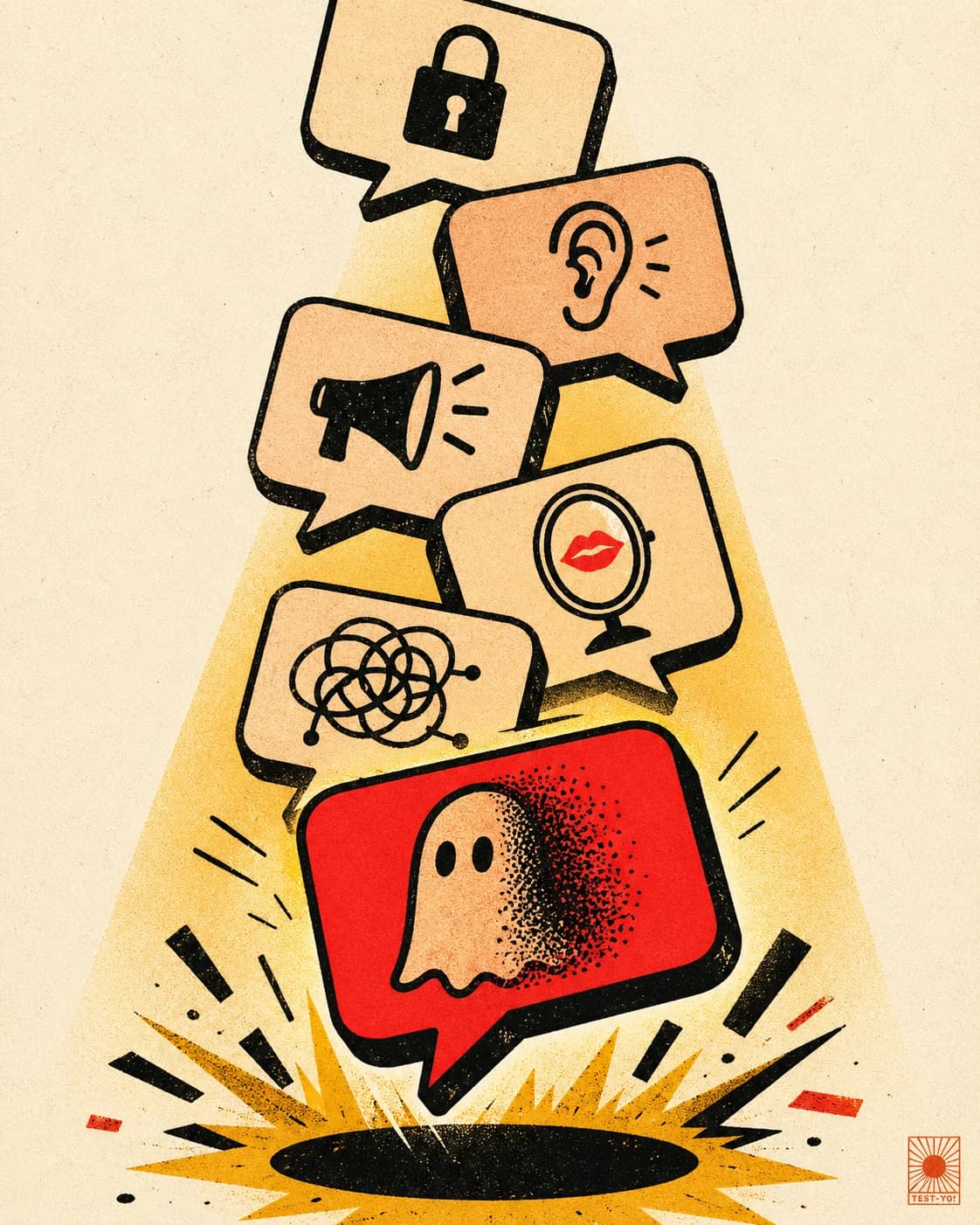
Quick answer
Your answers lead to one of 6 results: The Loyalist, The Listener, The Hype Friend, The Truth-Teller, The Connector, or The Drifter.
- 24 questions · ~3 min
- Cost: free · no signup
About this test
24 honest items, one verdict on the kind of friend you actually are — strengths, watch-outs, what your group needs back from you.
Methodology
24 items, 4 per style, 5-point Likert. Dominant-style scoring across six friendship archetypes.
What the results mean
These six styles describe tendencies in your answers. Different friendships can bring out different roles, and none proves that someone is a good or bad friend.
- The Loyalist
- Your answers emphasise commitment and staying connected through changes. Notice where loyalty feels mutual and where it has become an expectation you cannot sustain. Caring about a friendship does not require defending harmful behaviour or staying available without limits.
- The Listener
- Your answers emphasise listening and remembering what matters to another person. Consider whether there is room for your own stories and requests too. Being a thoughtful listener does not make you responsible for solving a friend's problems or hearing everything at any time.
- The Hype Friend
- Your answers emphasise encouragement and celebrating other people's good moments. Notice what kind of support you also enjoy receiving. You can bring warmth to a friendship without keeping every conversation upbeat or hiding days when you need someone else to listen.
- The Truth-Teller
- Your answers emphasise honesty and naming difficult things. Consider whether your friend wants feedback and how your words may land. A commitment to truth does not remove the need for consent, tact or being willing to hear that your own view may be incomplete.
- The Connector
- Your answers emphasise introductions, plans and helping people find each other. Consider which parts of connecting you enjoy and whether the organising effort is shared. You can value a social network without needing to be at the centre of every interaction.
- The Drifter
- Your answers emphasise low-pressure contact and feeling connected without frequent messages. Friends may understand silence differently, so make expectations discussable. A quieter communication rhythm is not proof of indifference, and the result does not decide how much contact another person should need.
How to use your result
Choose a step that fits your circumstances:
- Answer with one friendship in mind and recall a recent example of your style.
- Ask a willing friend what kind of contact or support feels helpful to them.
- Name one boundary or request that would make the friendship feel more mutual.
Possible archetypes
- The Loyalist · 3am-call friend
- You're the friend who picks up at 3am. Every time. We see you.
About: The Loyalist
You don't do casual. The good part is friendships that survive moves, jobs, decades. The hard part is people who didn't earn that loyalty getting it anyway, and a slow drain of being someone's ride-or-die when they're not yours.
- The Listener · Group-chat therapist
- You're everyone's unpaid therapist. You remember things they forgot.
About: The Listener
You hold their stories. The good part is rare emotional fluency, unusual memory for their life. The hard part is an unspoken expectation that you're always the one being called, never the one calling.
- The Hype Friend · Walking pep rally
- You celebrate their wins louder than they do. Group chat is dead w/o you.
About: The Hype Friend
You're a multiplier on every win. The good part is real, contagious generosity. The hard part is forgetting that hypes need hyping back, and being the one always "on" when you're also tired.
- The Truth-Teller · Personal mirror, raw
- You're the friend who tells them their boyfriend's a 4. They came to you.
About: The Truth-Teller
You give the version they need, not the one they want. The good part is rare, genuine value to people lucky enough to keep you. The hard part is people who don't want a mirror leave, and "harsh" gets stuck on you even when you weren't.
- The Connector · Human dating app
- You introduce people and they become best friends without you.
About: The Connector
You help everyone meet more people. The good part is the ripple effect: friendships, plans and groups that started because of you. The hard part is that when you are tired, the network can keep running without you in the centre of it.
- The Drifter · WhatsApp ghost
- You go silent for 6 months and reappear like the wifi just came back.
About: The Drifter
You do not keep constant contact because, to you, friendship does not need daily maintenance. The good part is calm, low-pressure closeness. The hard part is that some friends need to hear from you often to feel loved, and they may read your distance as not caring.
Related tests
FAQ + disclaimer
How accurate is this quiz?
This is a self-reflection quiz, not a prediction. It summarises the answers you give here, without establishing a fixed trait or guaranteeing an outcome.
Can my result change?
Yes. Different answers, circumstances or interpretations can produce a different result. If you retake it, compare the individual answers and context as well as the label.
Does my style tell me if I am a good friend?
No. The quiz describes reported preferences, not your worth or the full effect of your actions. Specific behaviour and feedback matter more than a label.
Can I be a listener with one friend and a connector with another?
Yes. Roles depend on the relationship and circumstances. The result highlights the strongest pattern in the answers you gave.
Can different friendship styles get along?
Different preferences can be discussed. The quiz does not predict compatibility; ask about communication, support and boundaries in the friendship itself.