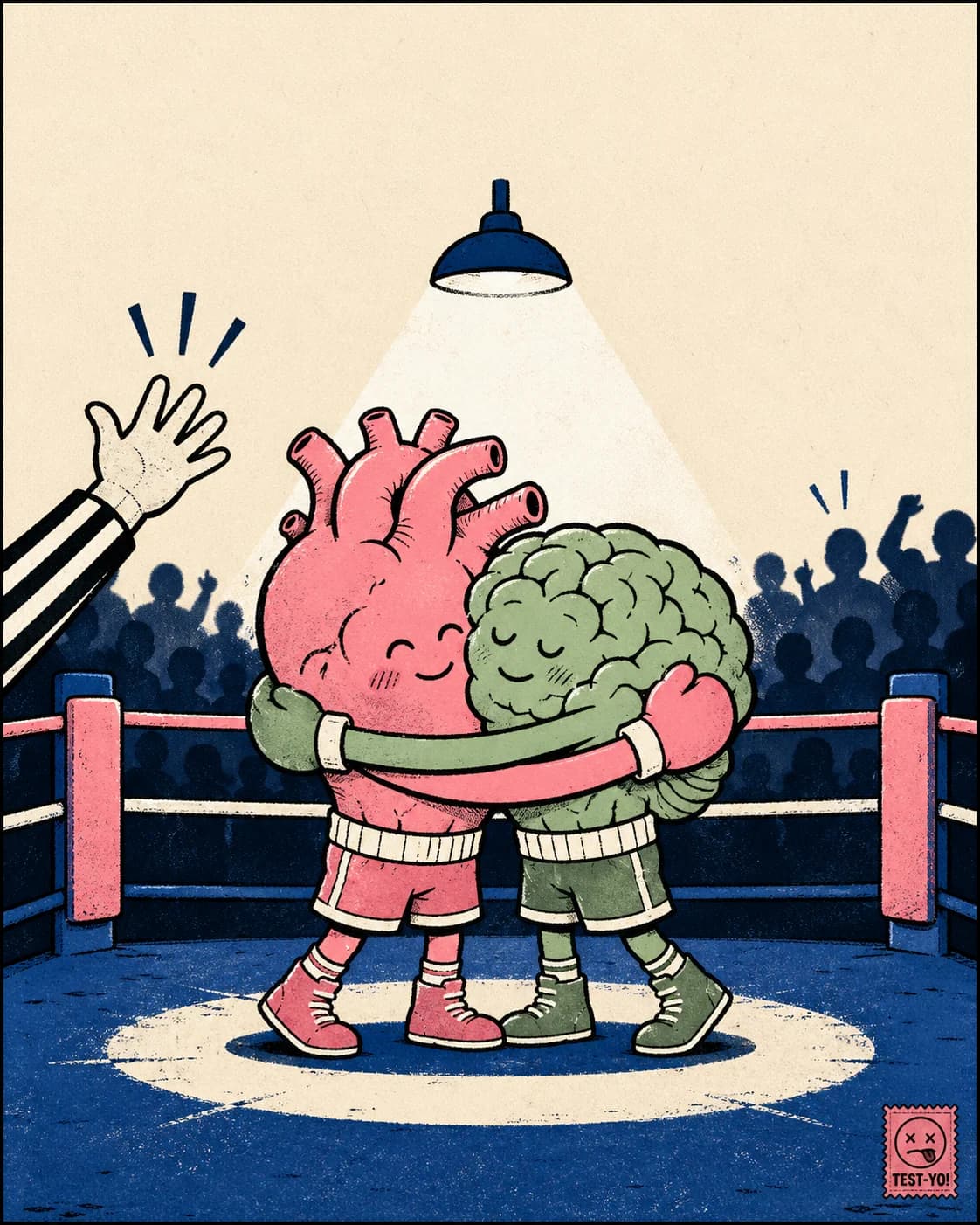

An old description of yourself can feel both recognisable and out of date. Perhaps you still enjoy unfamiliar ideas, yet approach commitments more carefully than you once did. Personality change with age concerns that gradual movement. It helps to distinguish a broad trend across adults from the particular story of your life, with its changes in circumstances, responsibilities and opportunities.
The maturity principle
The maturity principle describes an average rise in Conscientiousness and Agreeableness alongside a decline in Neuroticism between 20 and 40. In everyday language, that means a tendency towards being more organised, more cooperative and less emotionally reactive. These are descriptions of a pattern, rather than instructions for how an adult ought to behave.
Someone who now prepares for appointments might recognise part of that account. But keeping an organised calendar does not tell us everything about their personality, or explain why their routine changed. The general pattern gives a question to consider; the person's experience supplies the detail.
What happens in midlife
The broad midlife pattern includes continued movement in Conscientiousness and Neuroticism, with Extraversion and Openness declining. Think of these as directions in a summary, rather than a schedule waiting to happen. A person may become more selective about unfamiliar activities while remaining curious within a familiar interest. Another may try something new when their circumstances allow it. Neither scene can stand in for everyone of a similar age.
What happens after 60
Later adulthood still belongs in the discussion of personality change. The pattern described here includes further declines in Extraversion and Openness, with Conscientiousness eventually levelling off. Avoid translating that into a portrait of every older person. An individual's current commitments, preferences and opportunities remain necessary context. Age alone cannot tell you whether someone wants company this afternoon or would enjoy learning an unfamiliar skill.
What stays stable
Rank-order stability concerns people's positions relative to each other. You and a friend could both become less extraverted while you remain the more extraverted of the pair. Movement and continuity can therefore coexist. The feeling of being recognisably yourself can also sit alongside changes in what you do.
An old friend may recognise your humour even after your routines have become more orderly. You need not decide that either the familiar part or the changed part is the “real” you. Both belong in a description that allows for time.
What accelerates change
Parenthood, demanding work, established relationships and deliberate behavioural practice can influence the course of personality change. Each invites a question about the demands a person is meeting. Being responsible for shared plans, for example, can give organisation a place in daily life. That does not make any particular life event compulsory, or mean that people who have not experienced it are less mature. Notice the responsibilities themselves rather than treating a milestone as proof of character.
What can reverse change
Prolonged unemployment, chronic stress and isolation can complicate a simple story of steady progress. Consider someone whose usual habits have become difficult to maintain during an unsettled period. Calling them permanently disorganised may miss the situation they are trying to manage. Likewise, withdrawing from plans does not explain its own cause. Ask what has changed around the behaviour before deciding what it says about the person.
What this means for self-knowledge
A different test result can be a reason to reflect, without establishing the cause of the difference. Compare the situations you had in mind when answering. Were you describing a familiar routine or an unusually demanding period? Did a question about social activity mean something different in your earlier life? Keep your interpretation tied to examples instead of assuming that age explains every change in the score.
Your own timeline: a way to look back
Look back five years, then ten years, using questions that leave space for your own language. What did you routinely take responsibility for? How did you respond when a plan went wrong? What did you seek out because it interested you? Write about actual moments rather than the person you now think you should have been.
Perhaps you once left arrangements to a housemate and now organise shared journeys. Perhaps disagreement used to occupy your whole evening, whereas now you return to it after a pause. You might also find an interest that has barely changed. Keep continuities alongside differences. If memory is vague, write that down too; a timeline does not need a neat turning point to be useful.
Why averages are not a prediction for you
An average between 20 and 40 describes a group trend. It does not specify where your starting point lies, how much movement belongs to you or what direction your next change takes. The summary about being more extraverted than a friend at 25 and still at 55 concerns relative position, not an individual forecast.
You can acknowledge the broad pattern while leaving your own trajectory unresolved. Looking different from an average is not, by itself, evidence that something has gone wrong. Your circumstances and examples still matter when interpreting what has changed.
What this means for decisions
For a career decision, describe the responsibilities you can handle now and the work you want to explore. Leave room for those preferences to develop instead of choosing a permanent identity around them. In relationships, make commitments that reflect your present behaviour; future maturity is not a substitute for following through today.
With habits, choose an action you can practise in your current circumstances, such as preparing what you need before an appointment. You can remain open to change without pretending it has already happened. Review decisions when your experience gives you a reason to reconsider them.
How to use this
Our Big Five quiz can provide a starting point for recording how you describe yourself today. It offers reflection rather than a diagnosis, and is unsuitable for hiring, medical or legal decisions. Keep the result beside your own examples, with room for both continuity and change.