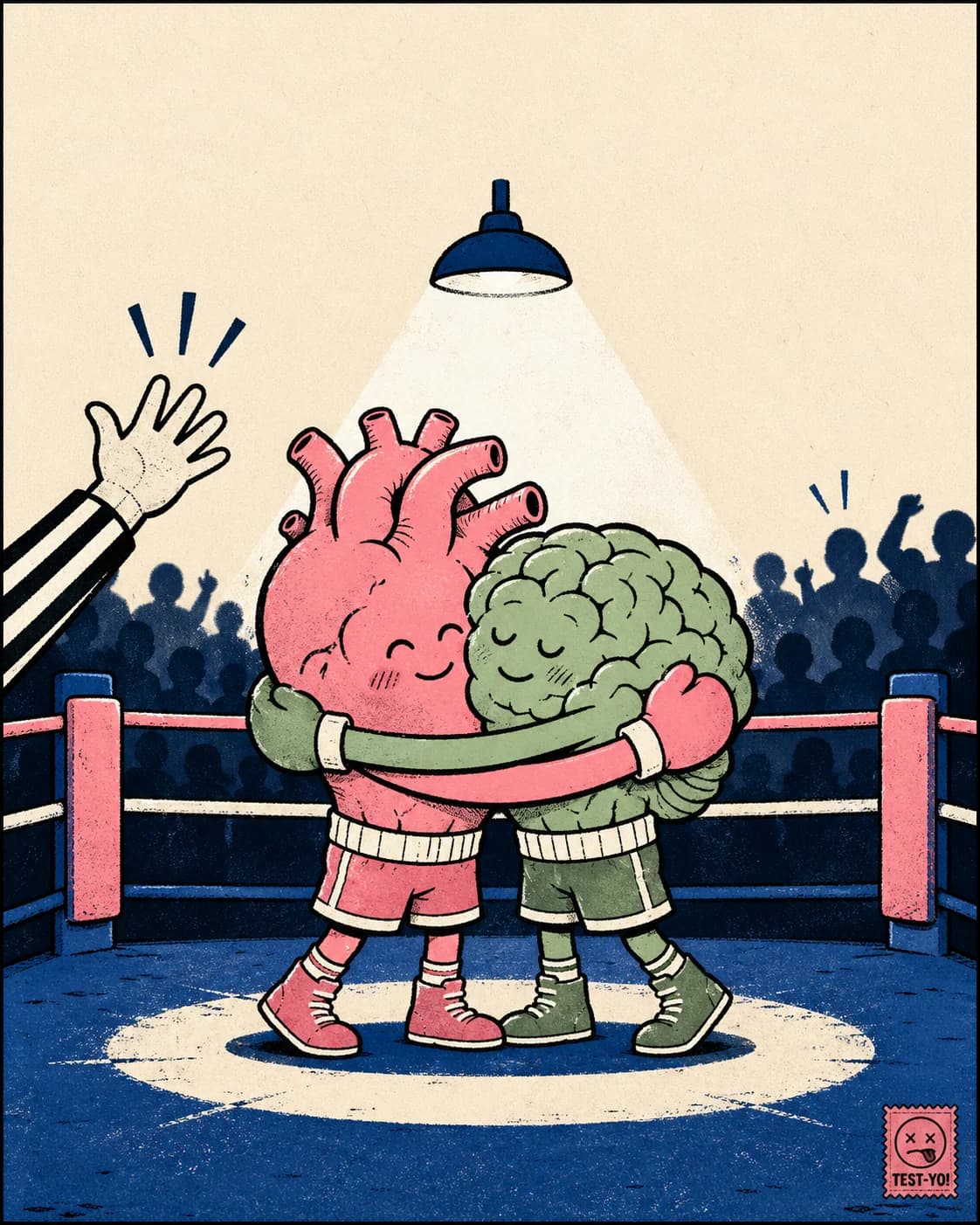
The old view was that personality is fixed by your twenties and doesn't budge after. The newer view, from a wave of longitudinal studies, is more nuanced: personality changes throughout life, the changes are real, but they're slower and smaller than self-help books suggest.
What changes naturally
A meta-analysis of longitudinal studies found increases in Conscientiousness and emotional stability, particularly in young adulthood. Different aspects of Extraversion followed different patterns, and some later-life changes differed from earlier ones. A broad trait does not have a single age curve that applies to everyone.
These are average patterns across study samples. They do not set a deadline for changing or predict an individual life course.
What changes with deliberate effort
Here's where it gets interesting. Intervention studies suggest that some people can make modest, goal-directed changes in a specific trait over weeks or months of structured practice, especially when they translate a goal into repeated behaviour. Effects vary across traits, people and study designs; there is no guaranteed timetable.
Wanting to be more extraverted is unlikely to be enough by itself. Committing to specific extraverted behaviours — such as starting a conversation, speaking up in a meeting, or attending a social event — may help, but individual results vary and a short-term behaviour change is not guaranteed to move a broad trait score.
Start with a behaviour you can observe
There is no universal ranking of the easiest and hardest traits to change. A practical starting point is a small action you care about: prepare a checklist before a recurring task, ask one question in a conversation, or make time for an unfamiliar activity. These are examples to try, not a tested treatment or a promise of personality change.
Judge the action by whether it helps in your situation. If distress or impairment is involved, seek appropriate professional help rather than treating a quiz as an assessment.
What tends to remain stable
Rank-order between people can remain fairly stable across decades, although people change at different rates. If you're more Conscientious than a friend at 25, you may still be more Conscientious at 55 — even though both absolute scores may have changed.
What the timeline can and cannot tell you
There is no established universal dose-response timetable for personality change. Intervention studies use different durations and follow-up periods; effects vary by trait, intervention and measurement method. Behavioural consistency may help, but persistence after an intervention is not guaranteed.
Why "fake it till you make it" works — partly
Behavioural change can precede measured trait change. You do not need to feel more extraverted before practising a more social behaviour, but a behaviour change is not proof that a broad trait has changed.
It also explains why low-effort attempts may be insufficient. Reading a book about becoming more conscientious is unlikely to change a trait by itself. A recurring planning session practised consistently may help with behaviour, but its effect on a broad trait is not guaranteed.
Should you try to change?
You do not need to become a different type of person to choose a useful habit. Focus on a goal that matters to you, consider its costs and benefits, and adjust your approach if it does not help. A preference for solitude or sociability is not by itself a problem to repair.
Finding your current baseline
You can't discuss change without a baseline. Our 30-item Big Five test is a self-report snapshot, not a validated diagnostic instrument. If you use it for personal reflection, repeat it under similar conditions and treat score differences cautiously rather than assuming they prove trait change.