 TEST-YO!· In Control?
Konten utama halaman ini saat ini hanya tersedia dalam bahasa Inggris.
Inspired by research
In Control? — Are you the captain or the passenger?
Explore how you explain outcomes through your choices, chance and circumstances. Read four result guides without turning responsibility into self-blame.
I-E · Rotter 1966. This adapted quiz is not a validated instrument.
5 min · 13 questions · Free · No signup
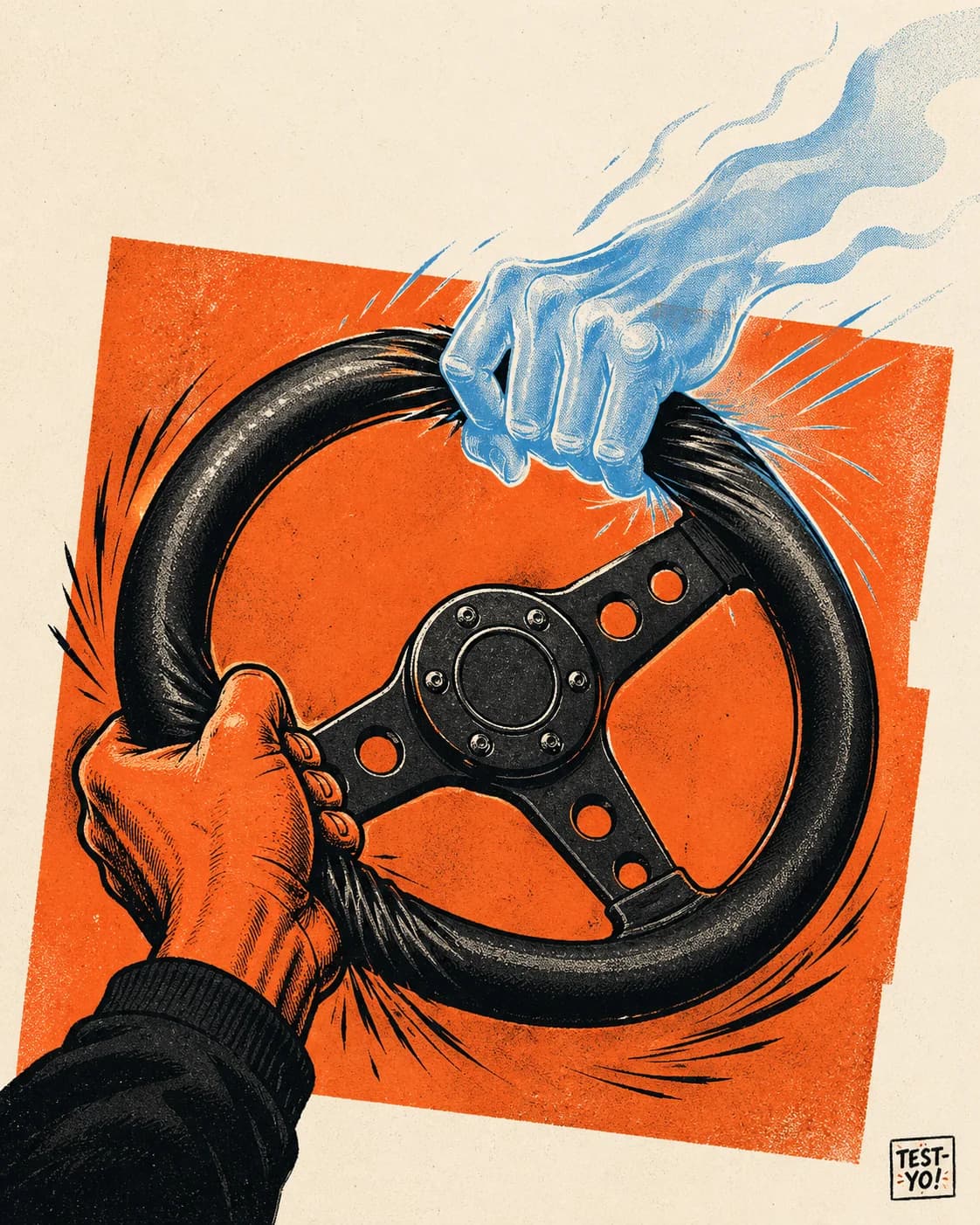
What the results mean
Baca selengkapnya · Tentang tes iniRead less
The four labels describe how you answered this adapted quiz. They do not establish how much control you actually have or which outlook is best.
- Driven by the Tides
- Your answers place considerable weight on chance, circumstances or other people when explaining outcomes. That may reflect real constraints, not passivity. Separate what is outside your influence from any small choices still available, without blaming yourself for either.
- Sharing the Wheel
- Your answers give circumstances and other people a substantial role while leaving some space for your own actions. Consider where that mix fits your current situation. The label does not tell you the correct balance of responsibility for every event.
- At Your Own Helm
- Your answers lean toward seeing your decisions as important influences on outcomes. This can provide a useful starting point for choosing an action. Keep other people's decisions, available resources and chance in view so responsibility does not become unnecessary self-blame.
- The Captain
- Your answers strongly emphasize personal agency and responsibility. Notice where that outlook supports action and where it asks too much of you. You cannot control every outcome, and an unwanted result does not prove that you failed to try hard enough.
How to use your result
Choose a step that fits your circumstances:
- Write down one recent outcome and the factors that influenced it.
- Separate your choices from chance, systems and other people's decisions.
- Choose one action within your influence and name one outcome you cannot guarantee.
Possible archetypes
Explore how you explain outcomes through your choices, chance and circumstances. Read four result guides without turning responsibility into self-blame.
- Driven by the TidesNPC in my own movieLife feels like it's happening to you. You're mostly trying to adapt.
- Sharing the WheelCo-pilot of my lifeYou drive sometimes, the universe drives sometimes. Honestly mature.
- At Your Own HelmExcel-manifestingYou believe in manifesting, but also in deadlines. The girlies do both.
- The CaptainMain-character modeYou feel like the author, protagonist and editor. Watch the exhaustion.
How it works
- Answer 13 short questions, honestly
- Your answers add up to 4 patterns
- Read your result and, if you like, compare it with someone
A 13-item forced-choice short form adapted from Rotter's (1966) Internal–External Locus of Control scale.
This adapted quiz is not a validated instrument. How we build it
Baca selengkapnya · Tentang tes iniRead less
About this test
On each item you pick the statement you agree with more; internal choices add to your internality score. Range 0 (strong external) to 13 (strong internal).
Methodology
Inspired by Rotter’s internal–external control framework (1966), using an adapted 13-item forced-choice questionnaire and custom bands. This shortened questionnaire and its result bands are not a validated instrument. It describes reported beliefs about influence, not ability or actual control over events.
Keep exploring
Sources & references
- Rotter, J. B. (1966). Generalized expectancies for internal versus external control of reinforcement. Psychological Monographs: General and Applied.
FAQ
How accurate is this quiz?
This is a self-reflection quiz, not a prediction. It summarises the answers you give here, without establishing a fixed trait or guaranteeing an outcome.
Can my result change?
Yes. Different answers, circumstances or interpretations can produce a different result. If you retake it, compare the individual answers and context as well as the label.
Is a more internal result always better?
No. The useful question is whether your explanation fits the situation. Taking responsibility for events outside your control can be unfair to yourself.
Is this the original Rotter assessment?
No. The existing methodology describes a shortened adaptation. These four quiz labels are a reflection aid, not official normative scores.
Does an external result mean I should try harder?
No. External constraints can be real. Consider support, resources and workable choices, and do not read the result as a judgment of effort.