 TEST-YO!· Friendship Style
Konten utama halaman ini saat ini hanya tersedia dalam bahasa Inggris.
Friendship Test: What Kind of Friend Are You, Actually?
Take this free friendship test to explore your style, from listener to loyalist. A quick quiz about how you show up for your best friend.
3 min · 24 questions · Free · No signup
What the results mean
Baca selengkapnya · Tentang tes iniRead less
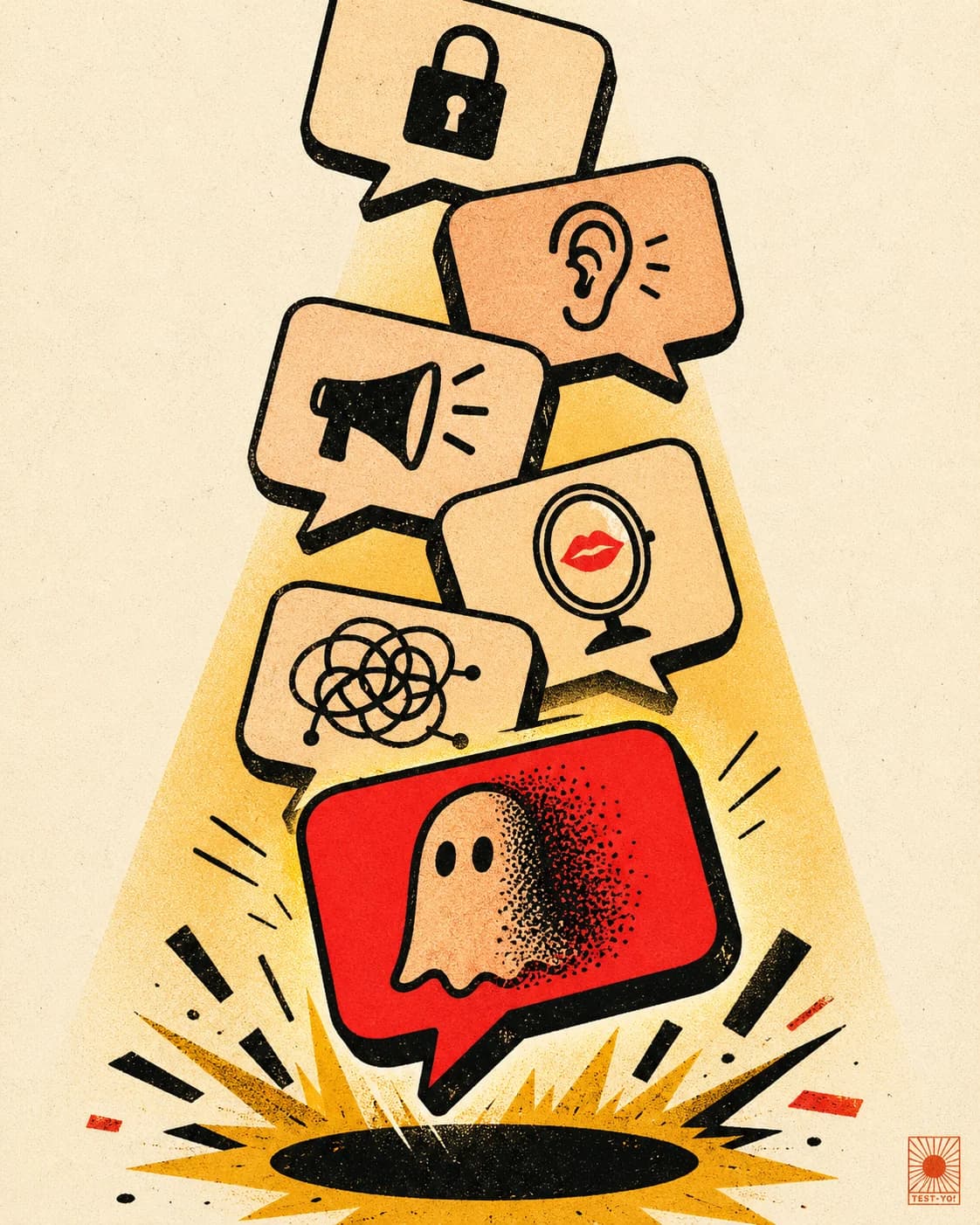
These six styles describe tendencies in your answers. Different friendships can bring out different roles, and none proves that someone is a good or bad friend.
- The Loyalist
- Your answers emphasize commitment and staying connected through changes. Notice where loyalty feels mutual and where it has become an expectation you cannot sustain. Caring about a friendship does not require defending harmful behavior or staying available without limits.
- The Listener
- Your answers emphasize listening and remembering what matters to another person. Consider whether there is room for your own stories and requests too. Being a thoughtful listener does not make you responsible for solving a friend's problems or hearing everything at any time.
- The Hype Friend
- Your answers emphasize encouragement and celebrating other people's good moments. Notice what kind of support you also enjoy receiving. You can bring warmth to a friendship without keeping every conversation upbeat or hiding days when you need someone else to listen.
- The Truth-Teller
- Your answers emphasize honesty and naming difficult things. Consider whether your friend wants feedback and how your words may land. A commitment to truth does not remove the need for consent, tact or being willing to hear that your own view may be incomplete.
- The Connector
- Your answers emphasize introductions, plans and helping people find each other. Consider which parts of connecting you enjoy and whether the organizing effort is shared. You can value a social network without needing to be at the center of every interaction.
- The Drifter
- Your answers emphasize low-pressure contact and feeling connected without frequent messages. Friends may understand silence differently, so make expectations discussable. A quieter communication rhythm is not proof of indifference, and the result does not decide how much contact another person should need.
How to use your result
Choose a step that fits your circumstances:
- Answer with one friendship in mind and recall a recent example of your style.
- Ask a willing friend what kind of contact or support feels helpful to them.
- Name one boundary or request that would make the friendship feel more mutual.
Possible archetypes
Take this free friendship test to explore your style, from listener to loyalist. A quick quiz about how you show up for your best friend.
- The Loyalist3am-call friendYou're the friend who picks up at 3am. Every time. We see you.
- The ListenerGroup-chat therapistYou're everyone's unpaid therapist. You remember things they forgot.
- The Hype FriendWalking pep rallyYou celebrate their wins louder than they do. Group chat is dead w/o you.
- The Truth-TellerPersonal mirror, rawYou're the friend who tells them their boyfriend's a 4. They came to you.
- The ConnectorHuman dating appYou introduce people and they become best friends without you.
- The DrifterWhatsApp ghostYou go silent for 6 months and reappear like the wifi just came back.
How it works
- Answer 24 short questions, honestly
- Your answers add up to 6 patterns
- Read your result and, if you like, compare it with someone
24 honest items, one verdict on the kind of friend you actually are — strengths, watch-outs, what your group needs back from you.
This adapted quiz is not a validated instrument. How we build it
Baca selengkapnya · Tentang tes iniRead less
About this test
Methodology
24 items, 4 per style, 5-point Likert. Dominant-style scoring across six friendship archetypes. This questionnaire and its result bands are not a validated instrument.
Keep exploring


FAQ
How accurate is this quiz?
This is a self-reflection quiz, not a prediction. It summarises the answers you give here, without establishing a fixed trait or guaranteeing an outcome.
Can my result change?
Yes. Different answers, circumstances or interpretations can produce a different result. If you retake it, compare the individual answers and context as well as the label.
Does my style tell me if I am a good friend?
No. The quiz describes reported preferences, not your worth or the full effect of your actions. Specific behavior and feedback matter more than a label.
Can I be a listener with one friend and a connector with another?
Yes. Roles depend on the relationship and circumstances. The result highlights the strongest pattern in the answers you gave.
Can different friendship styles get along?
Different preferences can be discussed. The quiz does not predict compatibility; ask about communication, support and boundaries in the friendship itself.