 TEST-YO!· Friend Loyalty Style
Konten utama halaman ini saat ini hanya tersedia dalam bahasa Inggris.
How Loyal Are You, Actually?
Explore six ways your answers describe loyalty, from chosen family to context-based bonds. Read guides about boundaries, contact and realistic support.
3 min · 24 questions · Free · No signup
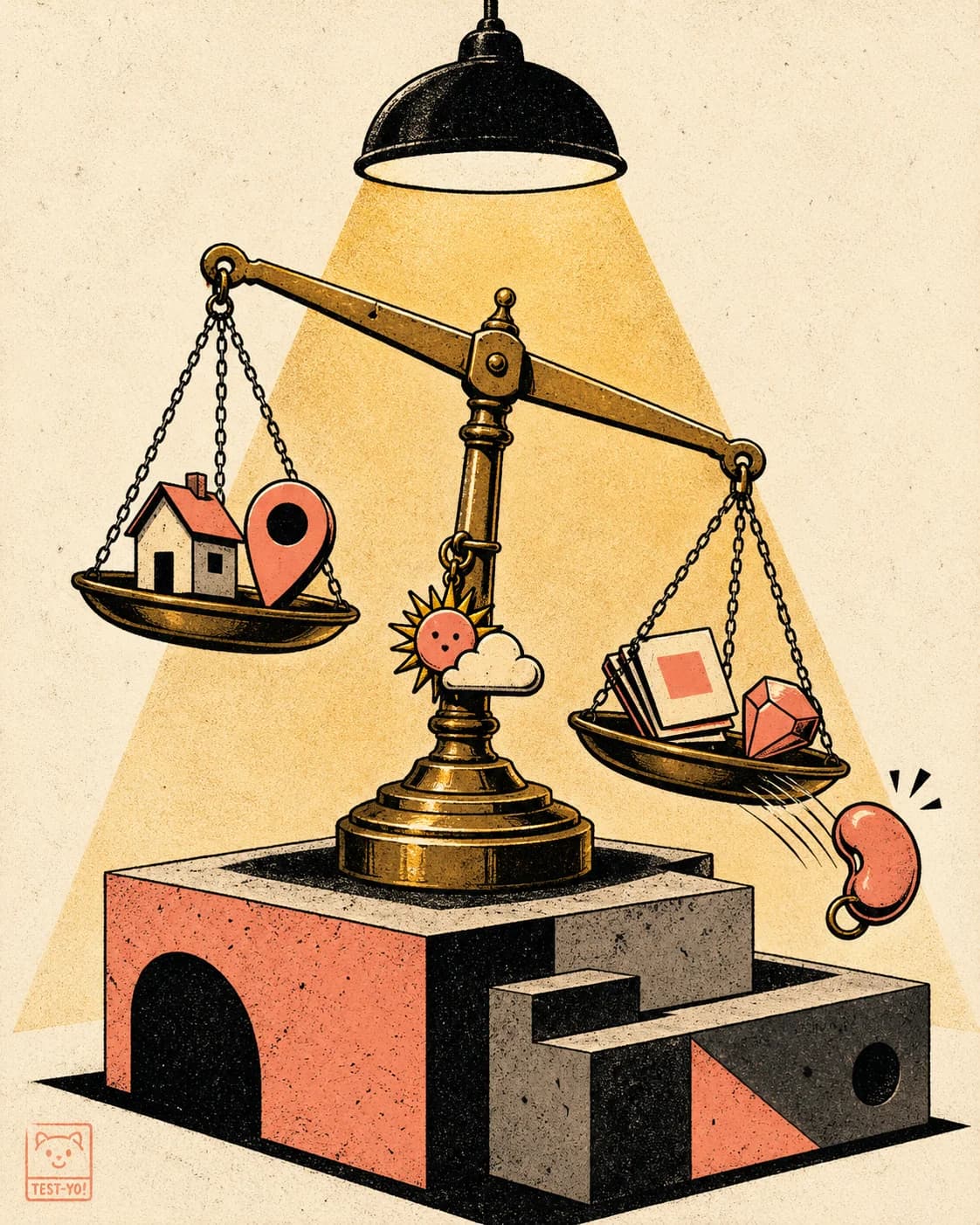
What the results mean
Baca selengkapnya · Tentang tes iniRead less
These six labels describe patterns in your answers, not a test of anyone’s moral worth. Loyalty still allows boundaries and does not require defending harmful behavior.
- Ride-or-Die
- Your answers emphasize standing by friends through difficult circumstances. Consider what support you can realistically offer and what falls outside your boundaries. Strong commitment does not require agreeing with every choice or concealing behavior that harms you or someone else.
- Quality-Only
- Your answers emphasize investing deeply in a small, trusted circle. Notice what helps someone become part of that circle and whether your expectations are spoken. Selectivity can be a preference without establishing that people outside it are less genuine or less worthy.
- Chosen-Family
- Your answers emphasize friendships that feel like deliberately built family. Consider whether each person understands the same level of commitment and what support is sustainable. A close bond can matter deeply without replacing every other source of connection or meeting every need.
- Proximity-Loyal
- Your answers emphasize loyalty expressed through regular, in-person contact. Notice what happens when distance changes and whether you want a different way to connect. A move does not decide a friendship's value, and keeping remote contact is something you can discuss.
- Context-Loyal
- Your answers emphasize friendships rooted in a shared workplace, activity or setting. Consider which relationships you enjoy within that context and which you want to carry beyond it. Changing circumstances can change contact without making the original friendship meaningless.
- Fair-Weather
- Your answers suggest offering support within a more limited range of circumstances. Notice what you can promise and communicate it clearly before someone depends on more. The label does not excuse abandoning commitments, and honest limits can still be expressed with care.
How to use your result
Choose a step that fits your circumstances:
- Recall one promise you kept and one expectation you had not discussed.
- Ask what kind of support a friend actually wants before offering it.
- State one realistic boundary or contact plan; unlimited loyalty is not on offer.
Possible archetypes
Explore six ways your answers describe loyalty, from chosen family to context-based bonds. Read guides about boundaries, contact and realistic support.
- Ride-or-DieKidney-on-demandYou'd hide a body for them. Twice. We see you.
- Quality-OnlyVIP-list bouncerYour friend list has a velvet rope. 'Maybe' friendships starve to death.
- Chosen-FamilyHolidays-w/-friendsYour group chat is your blood relatives' worst nightmare. Christmas at Sarah's.
- Proximity-LoyalOut of sight, outYour best friend moved cities and she's now an acquaintance. We see you.
- Context-LoyalFriend-zone keeperWork, gym, school friends — they live in separate universes. Don't collide.
- Fair-WeatherBrunch-only allyYou're there for the birthday. Not for the hospital. At least you're honest.
How it works
- Answer 24 short questions, honestly
- Your answers add up to 6 patterns
- Read your result and, if you like, compare it with someone
Loyalty isn't one thing — it's six. 24 honest items, one verdict on the kind you actually do.
This adapted quiz is not a validated instrument. How we build it
Baca selengkapnya · Tentang tes iniRead less
About this test
Methodology
24 items, 4 per style, 5-point Likert. Dominant-style scoring across six friend-loyalty archetypes.
Keep exploring


FAQ
How accurate is this quiz?
This is a self-reflection quiz, not a prediction. It summarises the answers you give here, without establishing a fixed trait or guaranteeing an outcome.
Can my result change?
Yes. Different answers, circumstances or interpretations can produce a different result. If you retake it, compare the individual answers and context as well as the label.
Can I use this to test whether a friend is loyal?
No. It records your own answers and cannot verify another person’s loyalty, intentions or behavior.
Is Ride-or-Die the best result?
No. Unlimited loyalty is not a requirement. Boundaries, consent and responsibility matter in every style.
Does a friendship stop mattering if contact changes?
The quiz cannot decide that. Changes in distance, context or capacity can be discussed without reducing the friendship to a label.