 TEST-YO!· Money Dialect
Konten utama halaman ini saat ini hanya tersedia dalam bahasa Inggris.
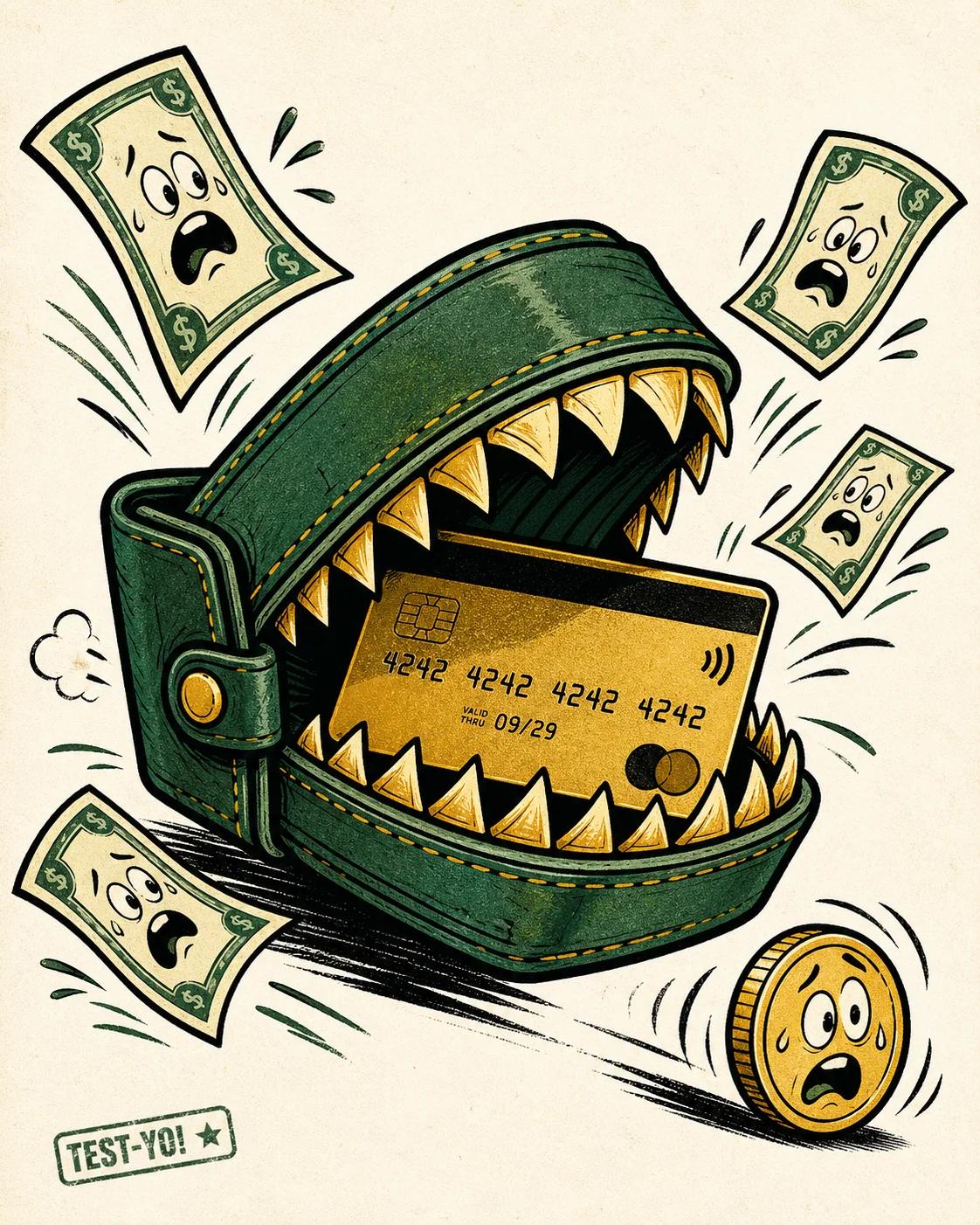
How Do You Actually Talk About Money With Your Partner?
Explore six money conversation patterns, from openness to avoidance and control. Read reflection guides without financial advice or account rules.
3 min · 24 questions · Free · No signup

What the results mean
Baca selengkapnya · Tentang tes iniRead less
These labels describe communication patterns in your answers. They do not recommend spending, saving, borrowing, investing or a particular arrangement for shared money.
- Open Book
- Your answers favor discussing money openly and reducing uncertainty through conversation. Consider what information you are comfortable sharing and what privacy still matters. Openness should be voluntary and respectful; it does not require full access to another person's accounts or messages.
- Allergic
- Money conversations feel uncomfortable enough that you avoid them. Notice which part is difficult, such as uncertainty, embarrassment or possible conflict. If you want to talk, choose one specific communication question and leave the other practical issues for later.
- Scoreboard
- Your answers emphasize tracking contributions and wanting fairness. Consider whether both people understand the same expectations or whether resentment is staying private. This quiz cannot determine a fair split; it can prompt a conversation about what fairness means to each of you.
- Caretaker
- Your answers connect paying or providing with showing care. Notice whether generosity feels freely chosen and whether expectations are understood. Care does not establish an obligation for either person, and this label is not advice about how much you should give.
- Power
- Your answers suggest income or resources can become linked with having more say. Examine the effect on consent, independence and the other person's voice. Money does not entitle anyone to control a partner, and a quiz cannot establish whether a relationship is safe.
- Splitter
- Your answers favor financial separation as an expression of independence or privacy. Consider how you communicate that preference and any shared expectations. The quiz does not recommend separate or joint accounts, and a partner's different preference does not remove your right to boundaries.
How to use your result
Choose a step that fits your circumstances:
- Choose one money conversation and describe what felt clear or uncomfortable.
- Ask what privacy, consent and fairness mean to each person before discussing arrangements.
- Separate feelings and communication needs from decisions requiring qualified financial advice.
Possible archetypes
Explore six money conversation patterns, from openness to avoidance and control. Read reflection guides without financial advice or account rules.
- Open BookFull-disclosure modeYour partner knows your bank balance better than you do. We both know it.
- AllergicAllergic to $ talkYou'd rather get a cavity filled than open a joint banking app.
- ScoreboardAnxious tip-googlerYou can quote what they paid for dinner three months ago. We both know it.
- Caretaker"I got this" 24/7You grab the bill before anyone has a chance to look at it.
- PowerWho-pays-decidesWhoever earns more gets the final say. You won't admit it but lo sabemos.
- Splitter50/50 to the centYou split a 16-euro pizza three ways and someone got an extra cent.
How it works
- Answer 24 short questions, honestly
- Your answers add up to 6 patterns
- Read your result and, if you like, compare it with someone
Money is the #1 thing couples fight about. 24 honest items, one verdict on the dialect you actually speak.
This adapted quiz is not a validated instrument. How we build it
Baca selengkapnya · Tentang tes iniRead less
About this test
Methodology
24 items, 4 per dialect, 5-point Likert. Dominant-dialect scoring across six couple-money styles. This questionnaire and its result bands are not a validated instrument.
Keep exploring



FAQ
How accurate is this quiz?
This is a self-reflection quiz, not a prediction. It summarises the answers you give here, without establishing a fixed trait or guaranteeing an outcome.
Can my result change?
Yes. Different answers, circumstances or interpretations can produce a different result. If you retake it, compare the individual answers and context as well as the label.
Does my dialect recommend joint or separate accounts?
No. This is about communication, not financial advice. It cannot tell you which account arrangement or financial product to choose.
Can partners have different dialects?
Yes. A different result is a prompt to discuss expectations, not a compatibility score or proof that someone is wrong.
What if money is being used to control me?
A quiz cannot assess safety. If you feel controlled or unsafe, consider contacting local professional support when it is safe to do so.