"Mental age" is one of those phrases that sounds scientific but, in a pop-quiz context, is mostly a fun mirror for how you think, not a measure of intelligence.
Where the phrase comes from
In early 20th-century psychology, mental age compared a child's performance on a standardized task to the average performance of children at different ages. That narrow, developmental use has almost nothing to do with modern online "mental age" quizzes.
What online mental age tests actually measure
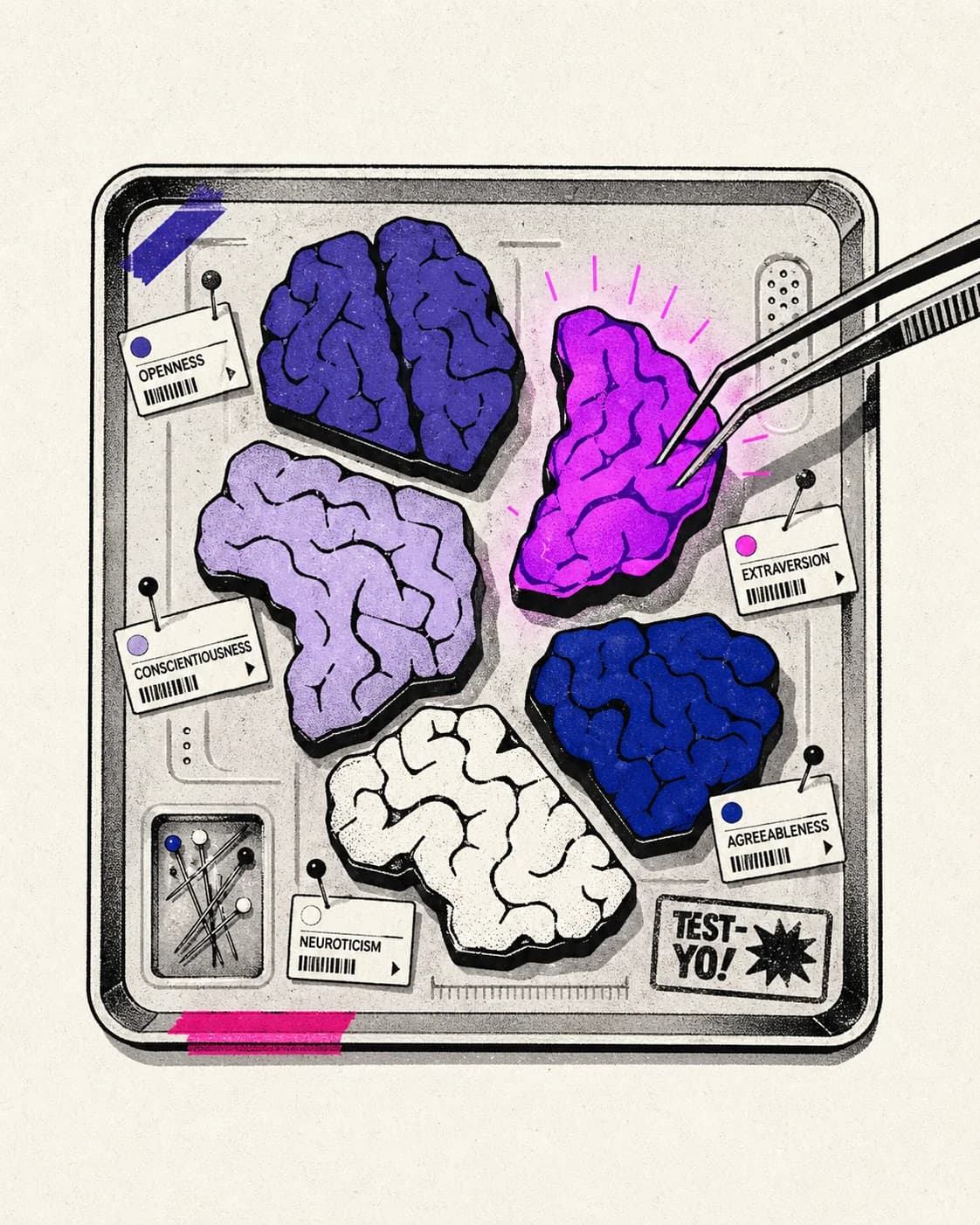
Most online mental age tests, ours included, sample your preferences across a handful of everyday situations — how you spend time, how you decide, how you recharge. Those preferences correlate loosely with how old you "feel" inside. They are not a measure of cognitive ability.
Why the gap feels so satisfying
The fun comes from the gap between your real age and the result. A 24-year-old who scores 41 feels seen. A 60-year-old who scores 28 feels reassured. That surprise is the whole point.
How to interpret your result
- Treat it as a mirror, not a diagnosis.
- Notice which answers pulled your score up or down.
- If a pattern resonates, use it as a prompt — not a label.
What it is not
It is not a clinical assessment. It is not a measure of IQ. It is not predictive of life outcomes. It is a short, honest snapshot of preferences.