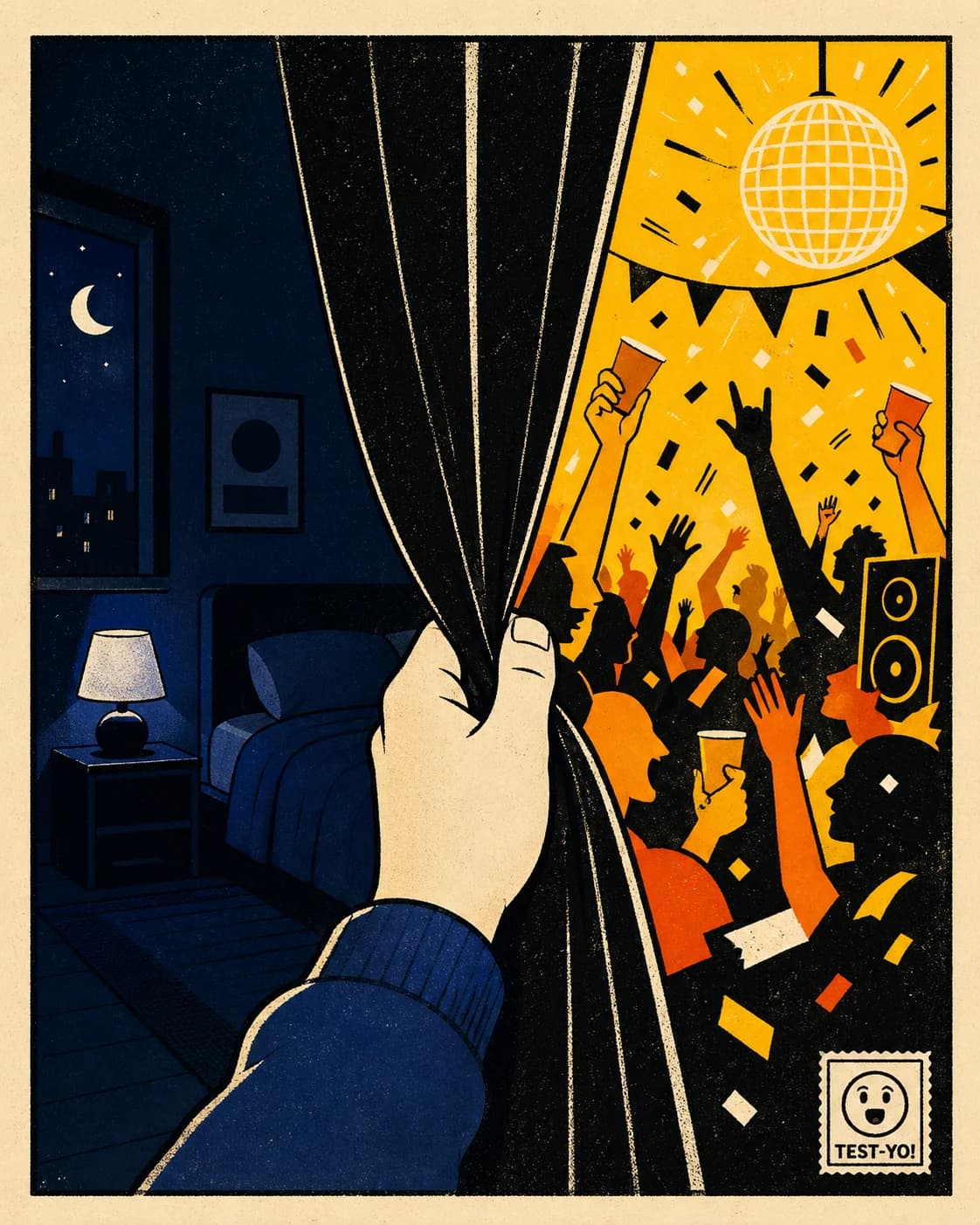
Every article on introversion seems to list the same vague signs: "you like being alone" and "you have a small group of close friends." Those describe half the population. Here are ten signs that actually correlate with measured introversion in personality research — and the ones that don't.
First: what introversion actually is
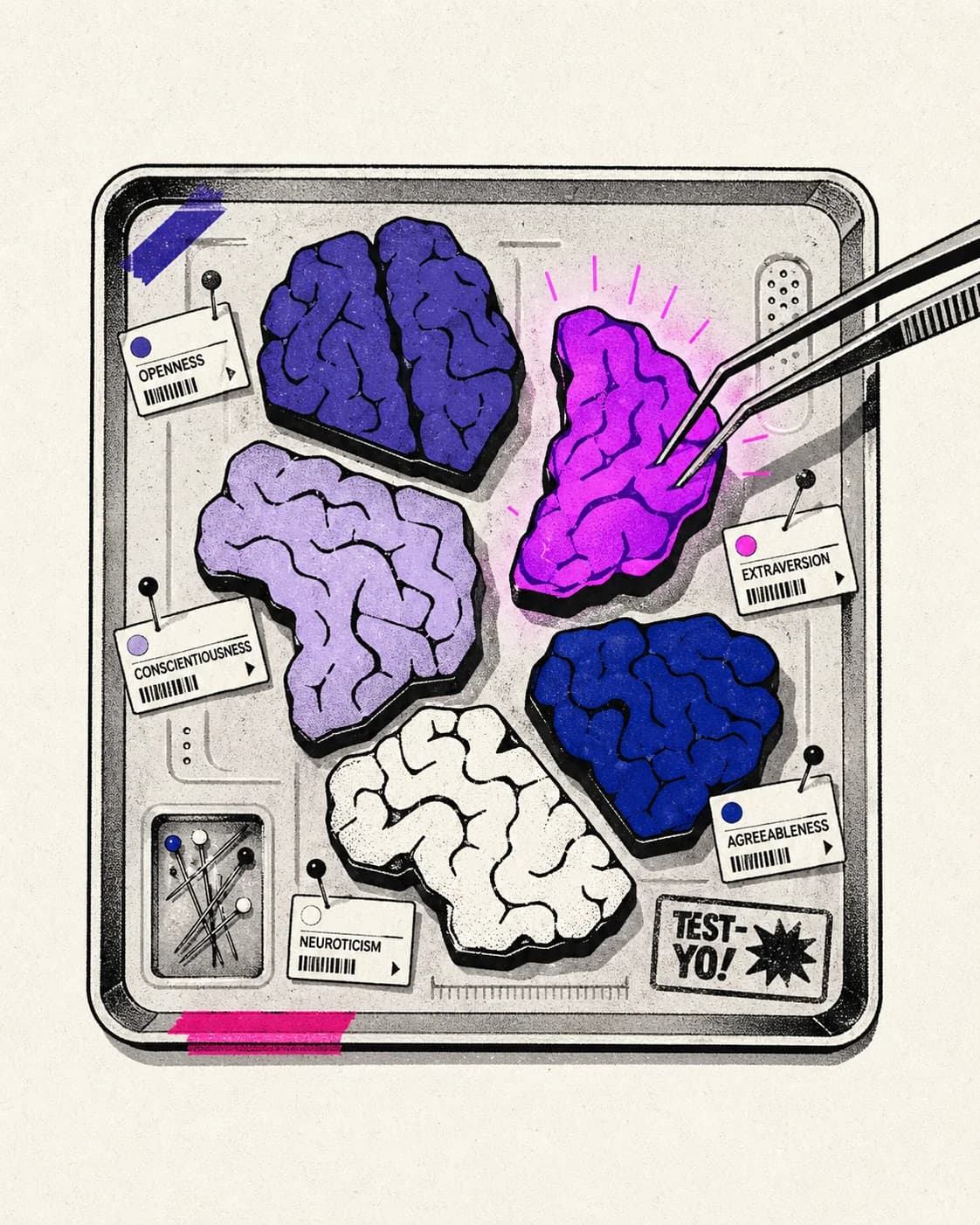
In modern personality research, introversion is the low end of the Extraversion trait in the Big Five. It's not shyness. It's not social anxiety. It's a stable difference in where you get your energy: introverts recharge in solitude; extroverts recharge in company. Both can be socially skilled; both can enjoy parties; both can have many or few friends.
10 signs with research backing
1. You feel mentally tired after socialising, even when you enjoyed it. This is the clearest introvert signal. Enjoyment and energy cost are separate. Extroverts tend to enjoy and recharge simultaneously.
2. You think before you speak. Introverts do more internal processing before verbal output. Extroverts often think by talking — the speaking is the thinking.
3. You prefer depth over breadth in conversation. An hour with one person feels easier than 20 minutes each with three people.
4. You find group calls more draining than 1-on-1s of the same length. This is about cognitive load from tracking multiple social inputs, not about dislike of any person.
5. You need transition time between social events. Back-to-back meetings don't just feel busy — they feel genuinely exhausting.
6. Your best ideas come when you're alone. Walking, showering, falling asleep — not in meetings. Extroverts often describe the opposite.
7. You filter your speech. Not because of social anxiety — because you'd rather say something considered than something immediate.
8. You can do performative socialising when needed, then you're wrecked for a day. "Ambivert at work, introvert at home" describes many introverts well.
9. Phone calls feel worse than text. Not always, but as a pattern. Texts let you process at your own pace.
10. Even with close friends, you have a ceiling on how many hours of hanging out feels good. That ceiling is real, not neurosis.
Common things that DON'T mean you're an introvert
- Hating small talk (most people hate small talk)
- Preferring dogs to people (this is a meme, not a trait)
- Enjoying reading (unrelated to introversion)
- Being quiet in meetings (could be many things — hierarchy, topic knowledge, cultural background)
- Being socially anxious (a separate construct; some extroverts have social anxiety, many introverts don't)
The ambivert sanity check
If you felt "kind of, sometimes" on most of the items above, you're likely an ambivert — which is the most common result. Strict introvert and extrovert are the ends of a spectrum and most people cluster in the middle.
What to do with this
Introversion is not a deficit. Some of the most consistently high performers in leadership, research and creative work are clear introverts — they've just built routines that protect their recharge time. The signs above aren't things to fix. They're operating constraints to respect.
If you want a quick number on where you sit on the spectrum, our 10-question short-form takes about two minutes and maps you to introvert, ambivert or extrovert. For a richer personality picture, the Big Five test gives you this trait plus four others.